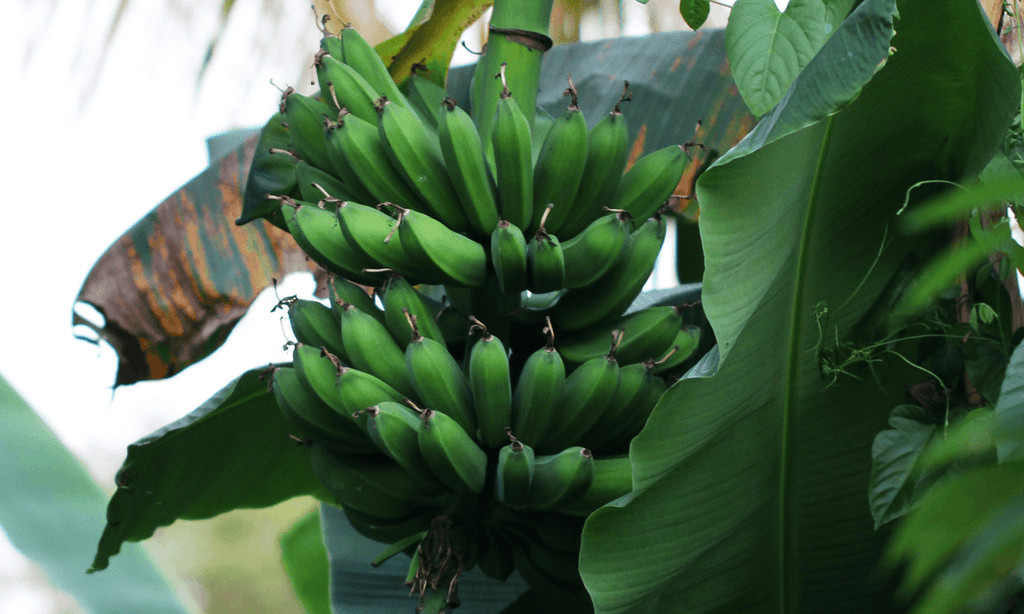
Banana production in Puerto Rico combines culinary tradition with business challenges. For a producer, the question isn’t just how much is harvested—it’s also about how much can be sold, in what form, and at what price. Tracking harvest dates, size, quality, and losses makes it possible to identify trends and prepare more realistic commercial offers.
Bananas are a staple of the Puerto Rican diet and feature in recipes passed down from generation to generation. This cultural connection fosters recognition of the product, but it does not eliminate the challenges of transportation, climate, and marketing. Protecting this supply chain requires valuing the knowledge of those who produce it while also adopting clear planning methods.
Classification by size, condition, and ripeness can influence the needs of different buyers. The USDA AMS maintains standards and reference materials for specialty products; not all of them are mandatory, and each customer may have their own specifications. It is advisable to use photographs of the actual lot, specify the number of units per package, and document the commercial yield of each shipment.
When a producer tracks how many units are rejected and why, they can identify problems before losing a customer. They can also evaluate sales alternatives for different product formats, without assuming that all products are suited for the same market. Commercial planning promotes sustainable agreements and reduces last-minute decisions.
TaíCoquí encourages producers to document their capacity, product specifications, and supply conditions. This first step can improve communication with buyers and partners. Sign up for a free profile and share verifiable information about your plantain production.
TaíCoquí https://taicoqui.com
Email: info@taicoqui.com
Puerto Rico | Support local businesses. Connect with the local community. Support Puerto Rican agriculture. Join TaíCoquí today!
Sign up here: https://taicoqui.com/profile-registration/
#TaíCoquí #AgriculturePR #ExportsPR #ProducersPR
Legal Notice: TaíCoquí provides information on agriculture, education, outreach, and the community for informational purposes only. The information provided here should not be construed as legal, financial, tax, agricultural, regulatory, or any other type of professional advice. Programs, regulations, incentives, eligibility requirements, market conditions, and third-party information are subject to change. We recommend that you verify the most up-to-date information directly with the relevant agency or a qualified professional.
Official sources: